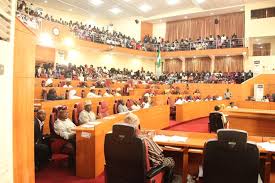
The hearing, organised by the House Committee on Housing on Wednesday, drew government officials, legal practitioners, estate surveyors, valuers, civil society groups, and community representatives, reflecting the bill’s wide-reaching impact on residents and the economy.
Section 3(4) of the bill proposes that agency or commission fees in tenancy agreements be capped at 5 percent of one year’s rent, to be agreed upon by the agent and the landlord or tenant who engaged them.
Chairman of the Committee, Hon. Olusegun Ege noted that Lagos’ housing deficit has risen by 15 percent in nine years—from 2.95 million units in 2016 to 3.4 million in 2025—while over 70 percent of residents are renters, many spending between 40 and 60 percent of their income on rent. He said the bill aims to create a fairer housing market by limiting arbitrary rent increases, introducing clear eviction procedures, and promoting mediation over lengthy court disputes.
The Lagos State Commissioner for Housing emphasised the need for the bill to encourage investment confidence, while the Commissioner for Justice underscored its potential to fast-track tenancy cases—ensuring resolution within six months—and to prevent the misuse of court processes by defaulting tenants or landlords.
Professional bodies, however, expressed concerns over certain provisions, particularly the 5 percent agency fee limit, which they argued conflicts with established professional scales of charges. Representatives from the Estate Surveyors and Valuers Registration Board of Nigeria called for a review to align the bill with existing regulatory frameworks.
Stakeholders also discussed the bill’s social impact, the need for dedicated tenancy courts, and the possibility of state-led housing projects to ease market pressure.
Speaker of the Assembly, Rt. Hon. Mudashiru Obasa, represented by Hon. Stephen Ogundipe, urged participants to contribute constructively, stressing that the legislation is key to protecting tenants, landlords, and the state’s long-term real estate viability.
If passed, the bill will set new rules for tenancy agreements, rent payment structures, and dispute resolution, while leveraging virtual hearings and electronic filings to speed up justice delivery in Lagos State.