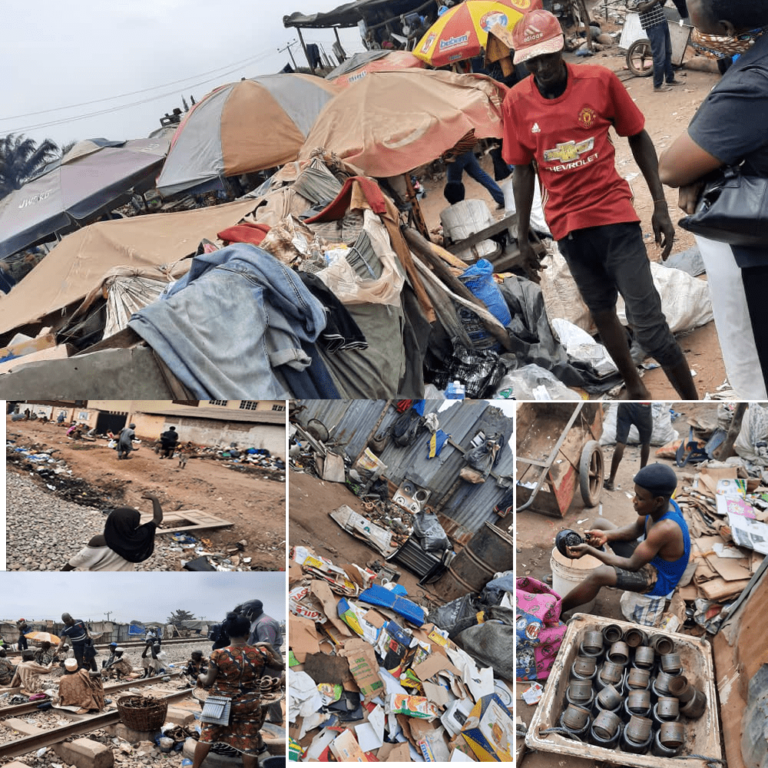
BY TAIWO OGUNMOLA-OMILANI AND BLESSING OLADUNJOYE
As Nigeria marks 2020 International Youth Day on the 12th of August, majority of youths in the country are wallowing in abject poverty and are not certain what the future holds for them.
Many of them are jobless, while some have to relocate from one state to another in search of greener pastures.
Similarly, the insecurity in some parts of the country caused some youths to relocate from their states for safety purposes.
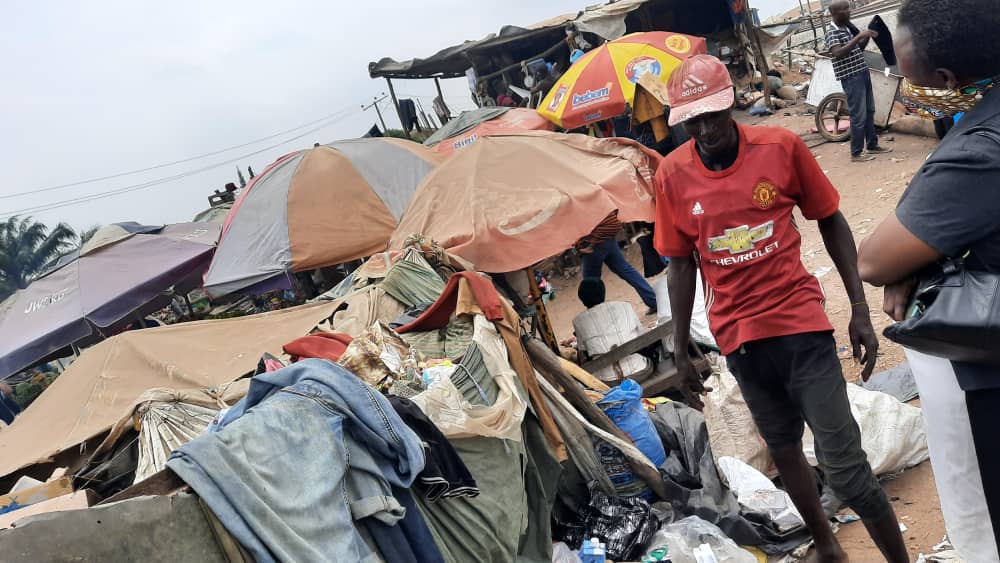
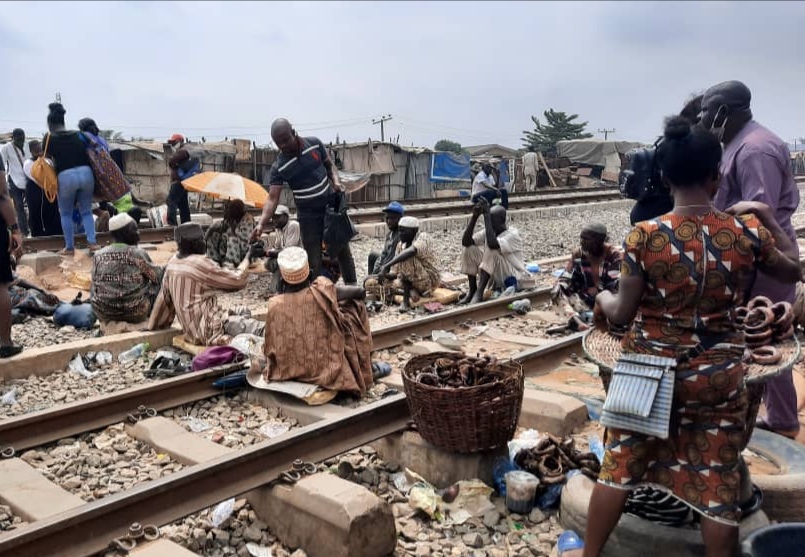
This is the case with residents of the Railway line in Fagba area of Agege, Lagos.
Though it is an illegal settlement, young men and women who reside there felt that was the only option they have to secure a ‘suitable’ abode in the city of Lagos.
Some persons have found the railway side as the most comfortable place to rest their heads at the end of their daily ‘hustle’ and some have had to make the place more comfortable by using tarpaulin and aluminium for make shifts kiosks.
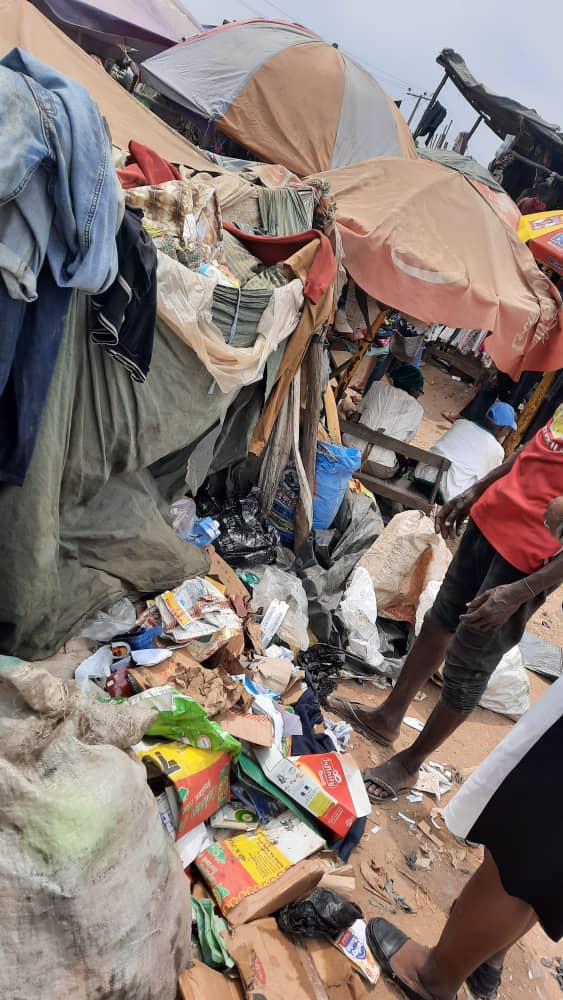
One of the residents of the area, Ayuba Musa, in his quest for survival in a legitimate manner, has been engaged in unimaginable things since he relocated to Lagos State from Cote D’ivoire.
Musa, a scavenger, who deals in cartons, usually scouts for cartons from different refuse bins, collates, weighs and sells them to earn money.
A father of twins; a male and a female, Musa said that he is able to send money to his family outside the country from the little money he earns from the sale of the cartons.
“I make at least 1,500 naira on a daily basis through which I’m able to feed myself and save enough to send to my wife,” he said.
Though he is interested in going back to his country, he said that the closure of the border that leads to his country from Nigeria has been hindering him from doing so.
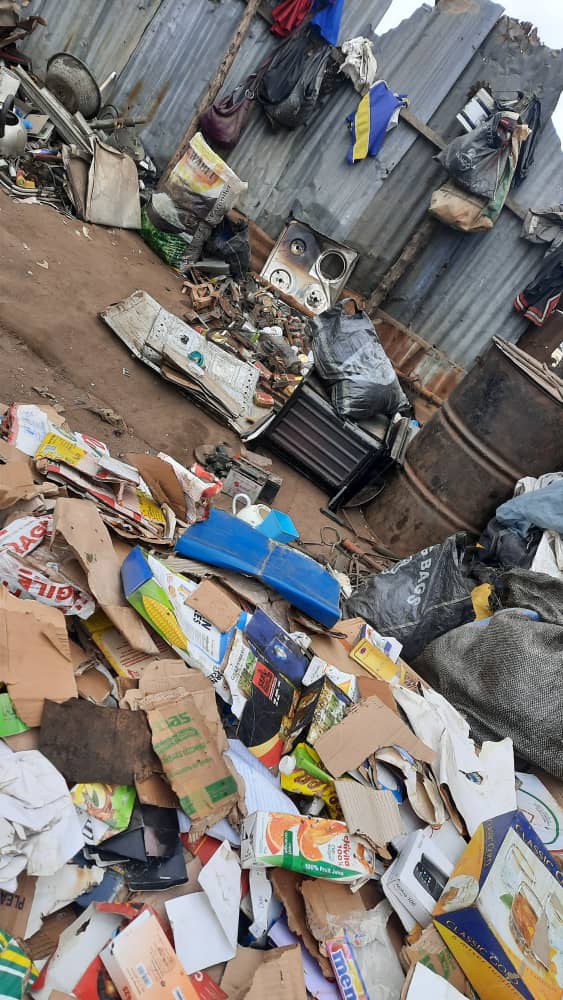
Also, Rabiliu Adamu, a young man in his 20s, is one of those who reside by the railway side and the only roof he has over his head is the mosquito net that he sets up before going to sleep.
Rabiliu Adamu is from Zamfara State and he has been in Lagos State for many years.
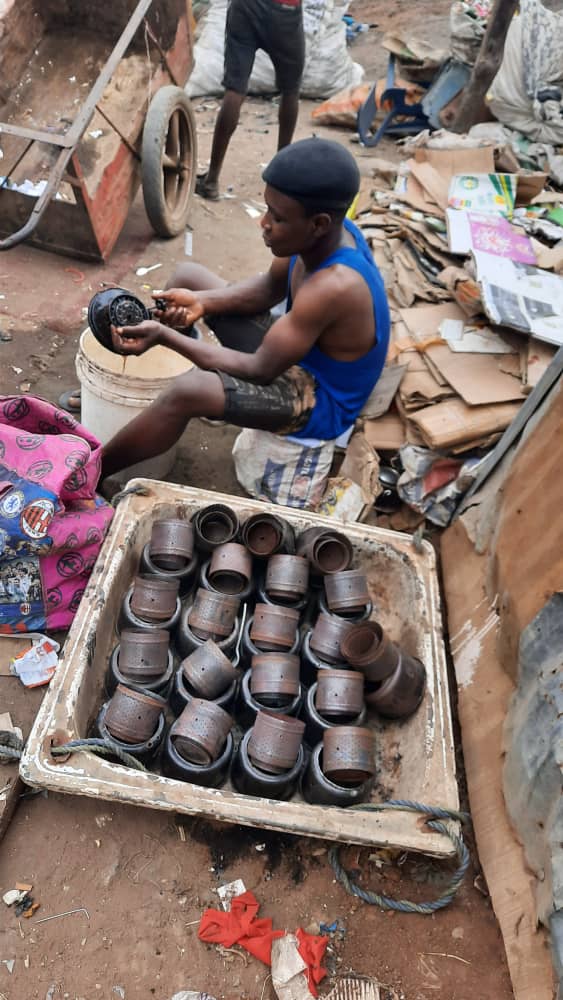
He specializes in the sale of stove parts. Adamu shared the tale of how he treks from one part of Lagos to the other to get stove parts, which he takes to his ‘house’ on the railway side for repair before he sells them to users.
Adamu disclosed in an interview with Upshot that he makes approximately N1500 on a daily basis and saves some money to send to his family in Zamfara State.
He also revealed that he is comfortable with his current place of abode, though he spends the nights in the open air just by the railway side even when rain is falling.
While revealing that the comfort he derived is not because there couldn’t be a better option, he said that he believed the government has not done enough to cater for the poor in the society.
Adamu is however hopeful that he has a bright future.
When asked about his security at night, he said, “we sleep without fear and nobody disturbs us.”
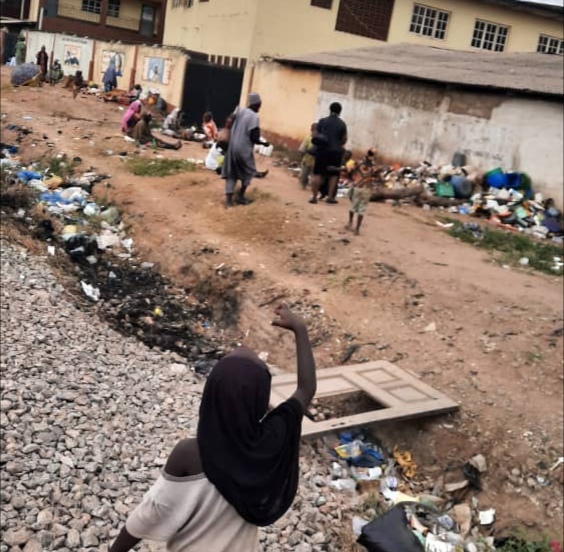
Seeing all around the railway are women and men sitting comfortably begging for alms from passersby, while their children walk round to accost people for alms.
These categories of people find comfort on the railwayside, when they retire from their businesses at the end of the day.
As seen in the past, people that are staying in shanties or informal settlements are being dislodged due to insecurity.
While the railway side and some other shanties are not comfortable for people to reside, lack of better options has caused them to reside in these places.
The Executive Director of Global Rights, Abiodun Baiyewu told Upshot in an interview that the migration of people to Lagos State is due to poverty and insecurity in some parts of the country.
According to her, the first thing that might be responsible for the relocation of people to Lagos State is insecurity and that the second is poverty.
“The widespread insecurity in some parts of the country caused a downward migratory shift by the people in the most vulnerable communities,’ he said.
Baiyewu added, “They are being forced by circumstances to leave the lives they were used to behind in the north to choose the uncertainties of the unknown in the south just to stay alive.
“The spate and depth of poverty in our country is most unfortunate.
“The triple factors of poor human development indicators (including mass illiteracy, unavailability of social development infrastructures such as electricity, health facilities, etc); increasing rate of insecurity; and climate change which is making agricultural growth more challenging; have cumulatively led to this state of affairs.”
Global Rights boss posited that more dangerously, the implications of migration on the already stressed resources of the south and the mistrust of the migrants might combust and cause even more conflicts and public health problems.