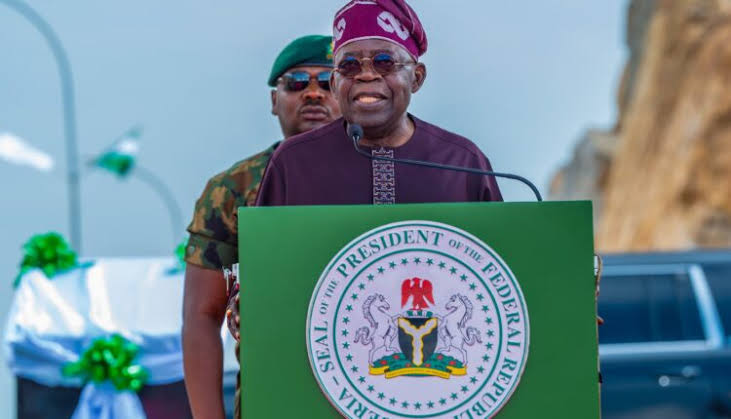
Governors from Nigeria’s 19 Northern States, under the Northern Governors’ Forum, have raised concerns over the proposed derivation-based model for Value-Added Tax (VAT) distribution included in recent tax reform bills before the National Assembly. The governors expressed their reservations during a forum held on Monday, October 28, 2024, chaired by Governor Muhammed Inuwa Yahaya of Gombe State. Traditional rulers from the region, led by the Sultan of Sokoto, His Eminence Muhammadu Sa’ad Abubakar III, were also in attendance.
In light of these concerns, it is important to clarify the intent behind these tax reform bills and address the misunderstandings surrounding them. President Bola Tinubu’s administration, with the support of the Federal Executive Council, has introduced these reforms to streamline Nigeria’s tax processes, foster efficiency, and eliminate redundancies across the nation’s tax system.
These reforms, built on an extensive review of existing tax laws, are encompassed in four executive bills under consideration by the National Assembly:
Nigeria Tax Bill: Aims to reduce multiple taxation, making Nigeria’s economy more competitive by simplifying tax obligations for individuals and businesses across all regions.
Nigeria Tax Administration Bill (NTAB): Seeks to harmonize tax administration across federal, state, and local jurisdictions, facilitating easier tax compliance for citizens throughout the country.
Nigeria Revenue Service (Establishment) Bill: Proposes renaming the Federal Inland Revenue Service (FIRS) to Nigeria Revenue Service (NRS) to reflect its mandate of revenue collection on behalf of the federation, not solely the Federal Government.
Joint Revenue Board Establishment Bill: This bill aims to replace the Joint Tax Board with a Joint Revenue Board, covering both federal and state tax authorities. It also proposes establishing a Tax Ombudsman office to address taxpayer complaints.
These reforms are not designed to increase the number of taxes but rather to simplify and optimize existing tax frameworks. Additionally, tax rates will remain unchanged, with the focus on fairer.