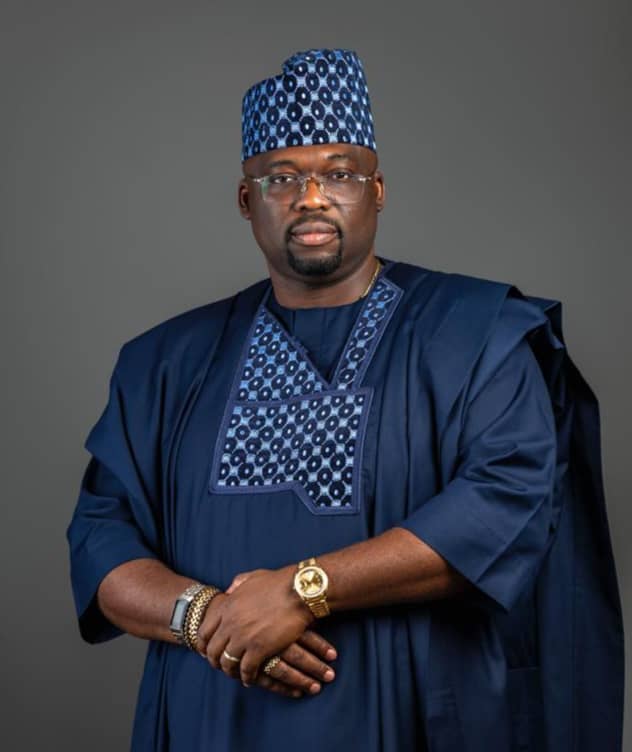
The Managing Director of Coleman Wires and Cables, Mr. George Onafowokan, has urged Nigeria’s Minister of Power, Adebayo Adelabu, to prioritize the replacement of aging infrastructure, which has been a major factor in the frequent collapses of the national power grid.
Onafowokan, speaking in response to recent widespread power outages, emphasized that many of the cables in the national grid have exceeded their lifespan, resulting in inefficiencies that significantly affect power distribution.
He highlighted the need for immediate action to replace these outdated cables to ensure a more reliable electricity supply.
Coleman Wires and Cables, like many other manufacturing companies, has had to rely on self-generated power due to the instability of the national grid.
The company’s MD noted that the federal government’s establishment of a six-member committee to address the nation’s power challenges is a step in the right direction but stressed that upgrading critical infrastructure should be a top priority.
Onafowokan pointed out that many of the cables in use are no longer fit for purpose, leading to recurring grid failures that have heavily impacted the manufacturing sector.
As a result, manufacturers are increasingly reliant on costly alternatives like diesel-powered generators. The rising cost of diesel, he added, has only worsened the situation for businesses struggling to maintain operations.
“Manufacturing costs are skyrocketing due to energy expenses, and this is making it difficult for businesses to remain viable,” Onafowokan said.
He called on the Minister of Power to adopt a strategic, long-term solution that not only addresses aging infrastructure but also supports localized power generation.
He proposed the creation of industrial power clusters, where industries could generate and share power within designated areas. According to him, decentralizing power generation would reduce costs and provide more stable electricity access for businesses.
The frequent grid collapses continue to disrupt production schedules across the manufacturing sector, driving up costs and causing delays.
Onafowokan’s appeal underscores the urgency of finding sustainable solutions to Nigeria’s power challenges as the country seeks to boost industrial output and revive its economy.