HR Expert Offers Solutions to Help Nigerian Workers Navigate the Economic Storm
By Taiwo Ogunmola-Omilani
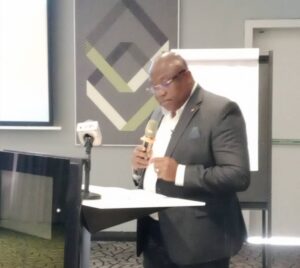
Nigeria is currently facing one of the most difficult periods in its history, as the country’s economic downturn continues to impact the livelihoods of its workers. Dr. Wole Odubayo, Human Resources Director at Cadbury Nigeria Plc, addressed this pressing issue at the Labour Writers Association of Nigeria (LAWAN) Capacity Building Workshop. His speech, titled “Challenges of Nigeria’s Economic Downturn: Survival Options for Workers,” shed light on the pervasive anxiety that exists among the workforce.The Nigerian economy has been hit by a perfect storm of global and domestic challenges. Slowdowns in the global economy, the aftermath of the COVID-19 pandemic, and volatility in commodity markets have all contributed to a decrease in the nation’s export revenues. Additionally, inconsistent government policies, economic instability, and insecurity have further exacerbated the issue, leading to the devaluation of the naira and rising inflation.
According to the July 2024 report by the Financial Derivatives Company (FDC), headline inflation has reached 34.1%, with food inflation even higher at 40.66%. These alarming figures have severely impacted the purchasing power of Nigerian workers, making it increasingly difficult for them to meet their basic needs.The economic downturn has resulted in various hardships for workers. High unemployment rates have forced many individuals into low-paying and unstable jobs. Underemployment is widespread, as workers struggle to make ends meet in a job market that offers little security or fair compensation.
Even those who remain employed are not immune to the crisis. As businesses strive to stay afloat, employee benefits have become casualties of cost-cutting measures. Payroll delays have become commonplace, adding further strain to already tight budgets. The erosion of benefits such as health insurance, pension contributions, and allowances has worsened living standards, pushing more workers into poverty.
This situation has given rise to job insecurity, with layoffs and contract terminations occurring on a daily basis. The stress and uncertainty of potentially losing one’s job have created an atmosphere of anxiety among workers, who feel as though they are walking a tightrope without any safety net.
Dr. Odubayo’s address struck a chord with many workers, as it captured their frustrations and fears. Chinedu, a factory worker in Lagos, expressed his struggle to make ends meet as inflation rises without a matching increase in salaries. Mary, a teacher, highlighted the toll the economic downturn has taken on her emotional well-being, as financial stability becomes increasingly uncertain.
However, Dr. Odubayo did not dwell solely on the bleak reality. He also provided potential solutions for workers to survive these challenging times. He emphasized the importance of skill development and education, urging workers to embrace lifelong learning to remain relevant in a rapidly changing job market. Online courses, vocational training, and professional certifications were recommended as tools for enhancing employability.
Entrepreneurship emerged as another key survival strategy. With traditional job opportunities dwindling, Dr. Odubayo encouraged workers to explore self-employment and micro, small, and medium-scale enterprises (MSMEs) as viable means of generating income. He emphasized that MSMEs have been recognized as a crucial tool for survival and economic growth.
While the Nigerian workers’ plight highlights the need for meaningful reform, Dr. Odubayo’s address also served as a call to action for all stakeholders—workers, employers, and the government—to collaborate in finding sustainable solutions. Although the road to recovery may be long and challenging, the resilience of the Nigerian worker continues to provide hope.
With the right strategies in place, the nation’s workforce is ready to embark on the journey towards recovery—one step at a time.