In an interview with Taiwo Ogunmola-Omilani, Otunba Saheed Ashogbon, CEO of Alpha waste Management and Asper Online Auction, shares his experiences and challenges in the waste management industry in Nigeria. Ashogbon highlights the difficulties faced by his company, including inconsistent government support, unfulfilled promises, and difficulties in managing dumpsites. He emphasizes the need for improved government support and effective waste management strategies to address the challenges in the industry.
Could you please introduce yourself?
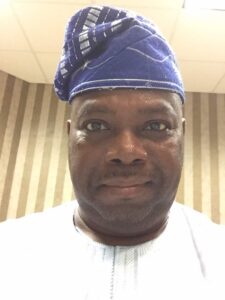
I am Otunba Saheed Ashogbon, CEO of Asper Online Auction and Alpha Management. I have held executive positions in Nigeria, Ghana, and America for over 30 years. During my tenure, I met the current President of Nigeria, Asiwaju Bola Tinubu, when he was the governor of Lagos State in 2002. Encouraged by his support for businessmen in Atlanta, Georgia, I introduced the first compacting vehicles to Nigeria, starting with four and later expanding to six. Initially, we operated in Lagos Island before moving to Yaba due to a misunderstanding with the local government.
When did you start the waste business in Lagos, and what challenges have you faced?
We began our waste business in 2003, endorsed by the former Deputy Governor, Femi Pedro. We were introduced to stakeholders in Yaba and have been operating for over 18 years. However, we faced several challenges. The government did not fulfill many of their promises, such as clearing the Olusosun dumpsite, providing lighting for night operations, and initiating waste-to-wealth programmes. Additionally, overseas companies that joined us initially left due to issues with PRO demands.
We remained because of a module presented by the World Bank, which set conditions for Lagos State that were eventually followed. Oresanya was appointed as the LAWMA Managing Director, and the state bought trucks with World Bank funds.
What are the impediments to waste business in Nigeria?
The main impediment is the inconsistent support from the government. Initially, we were flagged off with 24 local governments and designated as mega PSPs, managing local governments and investing significant sums. However, the government began undermining our services, listening to complaints without proper arbitration. Additionally, the planned color-coded service areas were abandoned, causing further issues.
How can the government manage the dumpsite more effectively for truck operations?
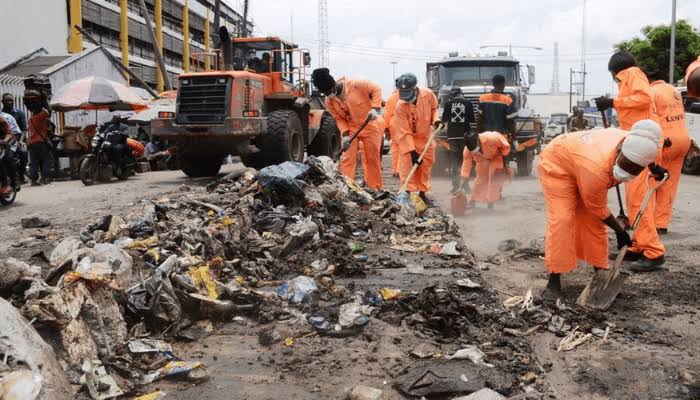
The government has directed trucks to Epe and Ikorodu for dumping, but there has been no increase in reimbursement. At Olusosun, caterpillars are needed to push waste, damaging our vehicles. Delays of up to three days are common, especially during rains. We’ve asked the Lagos government to open more routes to the dumpsite, but with only two caterpillars, trucks are forced to wait. Currently, my wife manages our waste business. Initially, the state paid us monthly—N250 million, later N500 million—but then stopped and directed us to collect fees from households.
Which is more profitable: collecting fees from households or receiving government payments?
Collecting fees from households is less profitable. Many households owe us money, resulting in significant losses. Institutions like Yabatech and the University of Lagos still owe us, citing their federal government status. With these challenges, I would not recommend anyone to join this business.
What do you think the government can do to provide an enabling environment for businessmen?
We should not focus solely on what the government can do for us; rather, we should consider how we can contribute to the economy. Nigeria needs individuals who can actively contribute to her economy. The government requires funds for infrastructural development, and their needs are insatiable. They generate revenue from the taxes paid by the people, which are then used to build roads and other infrastructure.
As President Kennedy wisely said, “Think of what you can do for your country.” This is a positive mindset. To benefit the country, you must be proactive and contribute positively.