BY TAIWO OGUNMOLA -OMILANI
A recent research project conducted by the African Cities Research Consortium (ACRC) has highlighted significant obstacles to the socio-economic development of Lagos, the largest city in Nigeria.
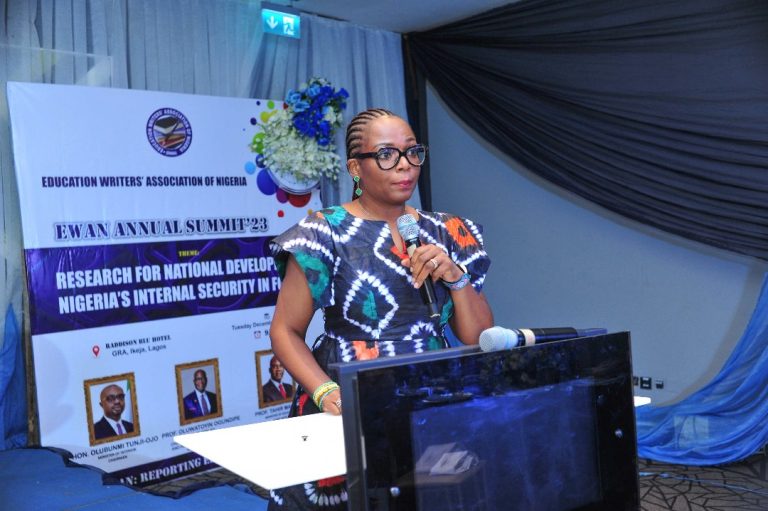
The findings were presented by Professor Taibat Lawanson, the City Lead of the consortium, during the annual education summit organized by the Education Writers’ Association of Nigeria (EWAN).
Titled “Lagos City of Systems: Food Security, Health and Safety, Environmental Sustainability,” the research aimed to identify and address the critical challenges faced by the city.
The project, funded by the Foreign, Commonwealth and Development Office (FCDO) of the United Kingdom, covered key sectors such as structural transformation, safety and security, neighborhood and economic district development, and housing.
The research findings pointed out significant concerns within various city systems. In terms of healthcare, the study exposed the uneven distribution of health facilities and personnel, with a concentration in the upscale area of Lagos Island. Additionally, brain drain in the healthcare sector and the city’s paper-based record system were identified as hindrances to providing effective healthcare services.
Water and sanitation were also identified as major challenges, with only 40% of the city’s daily water demand being met by the Lagos Water Corporation. Sanitation was found to be a low priority, with no local government area in Lagos State being declared open-defecation free.
The study recommended addressing the lack of access to clean water and regulating the activities of informal water and sanitation service providers.
Waste management emerged as another critical issue, with 50% of waste generated in Lagos being comprised of food waste. The city’s solid waste management efforts have struggled to establish effective waste separation from the source.
The research highlighted the significant participation of the informal sector in waste management, calling for the formalization of waste pickers, recyclers, and dumpsite sorters.
Furthermore, the research identified multiple challenges in the city’s infrastructure, governance, politics of identity, land-holding families’ influence, and informal economy.
It emphasized the need for investment, cooperation, and research innovation to address these problems and achieve sustainable urban development.
During the EWAN summit, Professor Olanrewaju Fagbohun, a former Vice-Chancellor of Lagos State University, praised the comprehensive nature of the report and urged the government to invest in implementing the recommendations. Jamiu Alli-Balogun, on behalf of the Lagos State Commissioner for Basic and Secondary Education, expressed the government’s commitment to supporting the implementation of the recommendations.