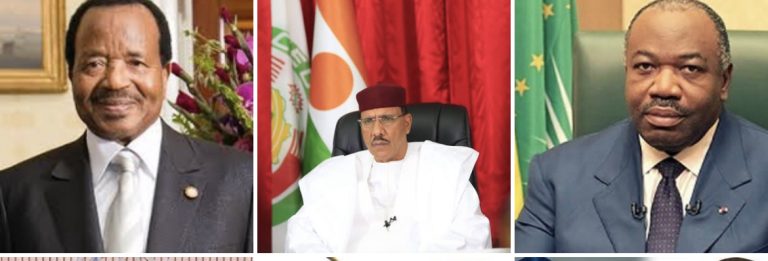
There are several common characteristics or themes that can be observed among African presidents. However, it is important to note that Africa is a diverse continent with varying political systems, so these characteristics may not apply universally to all African presidents. Here are some commonalities:
1. Longevity in power: Many African presidents have served long tenures in office, sometimes extending beyond constitutional limits or through political maneuvering. This is often attributed to weak democratic institutions, lack of term limits, or authoritarian tendencies.
2. Personalization of power: African presidents often centralize power in their own hands, leading to a concentration of authority and decision-making. They may use their positions to accumulate wealth and influence, while disregarding institutional checks and balances.
3. Limited political pluralism: In several African countries, political parties other than the ruling party face restricted activities or significant disadvantages. The political landscape is often dominated by a single party or the president’s political faction, limiting democratic competition and alternative viewpoints.
4. Corruption and nepotism: Corruption is a common issue among African presidents and their administrations. They may engage in embezzlement, bribery, or misuse of public funds for personal gain. Additionally, nepotism is prevalent, with family members or close associates being appointed to significant positions.
5. Ethnic considerations: Politics in Africa is often driven by ethnic or tribal affiliations. Presidents may favor their own ethnic group or use ethnic divisions for political gain, leading to potential conflicts or marginalization of minority groups.
6. Human rights concerns: Some African presidents have been criticized for human rights abuses, including political repression, media censorship, suppression of dissent, and intimidation of opposition figures or civil society activists.
It is important to emphasize that these characteristics are not universal or exclusive to African presidents. There are also leaders in Africa who prioritize good governance, democracy, and respect for human rights, actively work towards addressing corruption, and promote inclusive policymaking.