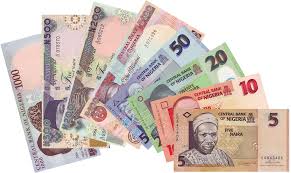
The International Monetary Fund has said that weaker currencies in Nigeria and other Sub-Saharan African countries are pushing up public debts.
This was disclosed in a blog post published on the IMF’s website on Monday.
The fund noted that with an average depreciation of nine per cent since January 2022, sub-Saharan African currencies have weakened against the US dollar.
The post read, “Most sub-Saharan African currencies have weakened against the US dollar, fanning inflationary pressures across the continent as import prices surge. This, together with a growth slowdown, leaves policymakers with difficult choices as they balance keeping inflation in check with a still-fragile recovery.
“As the Chart of the Week shows, the average depreciation for the region since January 2022 is about 8 per cent. The extent varies by country, however. Ghana’s cedi and Sierra Leone’s leone depreciated by more than 45 per cent.”
The IMF further noted that the depreciations were mostly driven by external factors, adding that lower risk appetite in global markets and interest rate hikes in the United States pushed investors away from the region towards safer and higher paying US treasury bonds.
While noting the high import costs in 2022, the IMF added that the large budget deficits had compounded the effects of these external shocks by increasing the demand for foreign exchange.