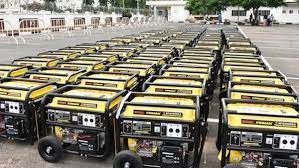
Nigeria spent $5.26bn importing electric generating sets, electric transformers, vacuum cleaners, hair clippers, and other electrical machinery and equipment in 2020 and 2021, according to data from the International Trade Centre.
In a recent report, the National Bureau of Statistics disclosed that Nigeria gets 48.6 per cent of its electricity needs from generators powered by petrol, diesel, and gas.
The statistics body revealed that the national grid provided 51.2 per cent of the nation’s power needs, leaving many citizens to depend on generators for electricity.
The data from the ITC revealed that the nation spent $5.26bn to supplement its electricity and electrical needs. It stated that electrical machinery and equipment and parts imported included electric motors and generators; electric generating sets and rotary converters; electrical transformers, static converters, e.g. rectifiers, and inductors; vacuum cleaners, including dry cleaners and wet vacuum cleaners; electromechanical domestic appliances; electric shavers, hair clippers and hair-removing appliances.
They also included electrical ignition; portable electric lamps; industrial or laboratory electric furnaces and ovens; microphones and stands; sound recording or sound reproducing apparatus; video recording or reproducing apparatus; monitors and projectors; electrical signalling, safety or traffic control equipment for railways, tramways, roads, inland waterways, parking facilities, and port installations or airfields.
Others include electrical apparatus for switching or protecting electrical circuits, or for making connections to or in electrical circuits; boards, panels, consoles, desks, cabinets and other bases.
Top countries that supplied the equipment to Nigeria included China, India, United Kingdom, Germany, and Hong Kong.
According to a report by Stears Business, over 40 per cent of households in Nigeria own and use generators and spend about $14bn annually to fuel them.
The report titled, “Nigeria’s State of Power: Electrifying the Nation’s Economy,” said, “Nigerian households, on average, have electricity in their homes for 15 to 18 hours each day. Of that, 44 per cent (or 6.8 hours) is self-supplied by generators.
“And this differs by geography. In a state like Taraba, only 19 per cent of households report having electricity. Over 40 per cent of Nigerian households own generators and bear the associated costs. First, the cost of purchasing generators – an estimated $500m between 2015 and 2019, higher than the proposed capital expenditure in Nigeria’s 2022 budget.